The Importance of Securing Licensor Approvals to Avoid Costly Royalty Audit Penalties

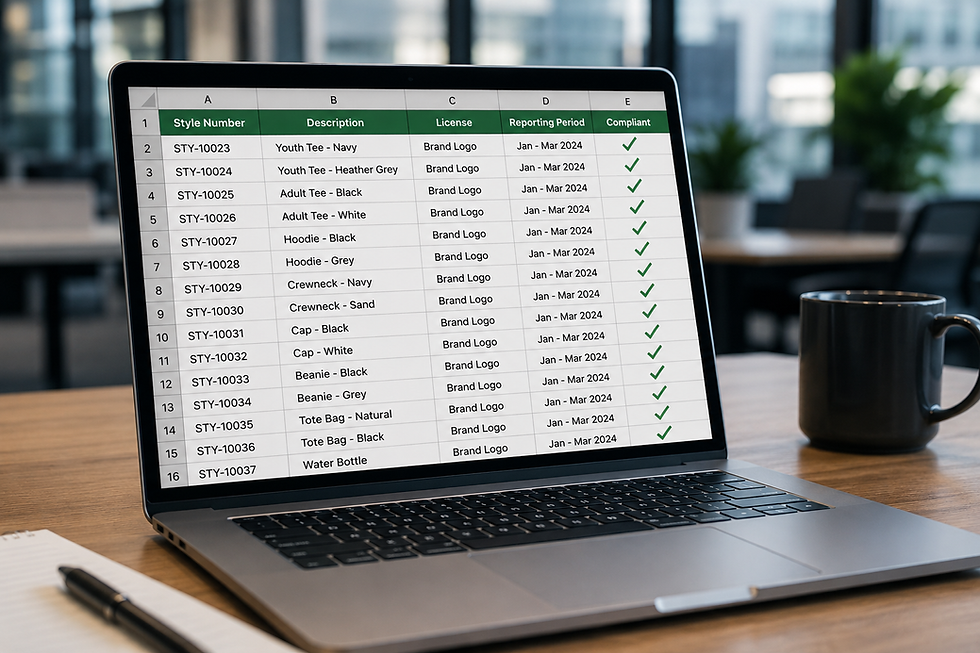
Shipping products without proper licensor approvals can lead to severe financial penalties during a royalty audit. Many companies underestimate the risks involved when unapproved styles or products enter the market. These mistakes can result in hefty fines that impact profitability and damage business relationships. Ensuring your team consistently tracks and verifies all style and product approvals is essential to avoid these costly errors.
Why Licensor Approvals Matter
Licensor approvals serve as formal confirmation that a product or style meets the licensor’s standards and contractual requirements. Without these approvals, products are considered unauthorized. This status can trigger penalties during royalty audits because the licensor has not consented to the use of their intellectual property on those items.
Key reasons to secure approvals:
Protect financial interests: Unapproved products can lead to fines that are often much higher than the royalties owed.
Maintain trust: Licensors expect compliance with approval processes to protect their brand reputation.
Avoid legal disputes: Unauthorized products can result in contract breaches and legal action.
Ensure product quality: Approval processes often include quality checks that prevent substandard goods from reaching customers.
How Royalty Audits Identify Unapproved Products
Royalty audits review sales records, product shipments, and licensing agreements to verify that royalties are paid correctly. Auditors look for discrepancies such as:
Products shipped without documented approval
Styles that differ from approved samples
Unauthorized use of licensed trademarks or designs
When auditors find unapproved products, they may impose penalties that exceed the unpaid royalties. These fines serve as a deterrent and compensate licensors for unauthorized use.
Common Causes of Missing Licensor Approvals
Understanding why approvals are missed helps prevent these costly errors. Common causes include:
Poor communication: Teams may not share approval status updates effectively.
Lack of centralized tracking: Without a single source of truth, approvals can be lost or overlooked.
Rushed production schedules: Pressure to meet deadlines can lead to skipping approval steps.
Inadequate training: Staff may not fully understand the importance of approvals or how to obtain them.
Best Practices for Managing Licensor Approvals
To avoid penalties, companies should implement clear processes and tools for managing approvals. Here are practical steps:
1. Centralize Approval Records
Use a digital system to store all approval documents, including emails, signed forms, and sample photos. This system should be accessible to all relevant team members.
2. Assign Clear Responsibilities
Designate specific individuals or teams to manage approvals. They should track deadlines, follow up with licensors, and confirm approvals before production.
3. Integrate Approvals into Workflow
Make approval verification a mandatory step before production or shipment. Use checklists or software alerts to prevent unapproved products from moving forward.
4. Train Your Team
Regularly educate staff on the approval process, the risks of non-compliance, and how to use tracking tools effectively.
5. Conduct Internal Audits
Periodically review approval records and product shipments internally to catch issues before external audits.
Real-World Example: Avoiding a $500,000 Penalty
A mid-sized apparel company faced a royalty audit after shipping a new clothing line. They had not secured formal approval for several styles due to a miscommunication between design and licensing teams. The audit revealed these unapproved products, resulting in a $500,000 penalty.
After this incident, the company implemented a centralized approval tracking system and mandatory approval checkpoints. In the next audit, they had zero penalties and improved licensor relationships.
The Role of Technology in Approval Management
Modern software solutions can simplify approval tracking by:
Automating reminders for pending approvals
Providing real-time status updates
Storing digital copies of approval documents
Integrating with production and shipping systems to block unapproved items
Using technology reduces human error and improves transparency across departments.
What to Do If You Discover Unapproved Shipments
If you find products shipped without approval, act quickly:
Notify the licensor immediately and explain the situation.
Halt further shipments of unapproved products.
Review and strengthen your approval process to prevent recurrence.
Prepare documentation to show corrective actions during the next audit.
Taking responsibility and showing proactive steps can reduce penalties and preserve trust.
Summary
Securing and verifying licensor approvals is critical to avoiding costly royalty audit penalties. Unapproved products can lead to fines that far exceed owed royalties, damage relationships, and create legal risks. By centralizing approval records, assigning clear responsibilities, integrating approvals into workflows, training teams, and using technology, companies can protect themselves from these risks.



Comments